NEW YORK, NY — Shopping for home insurance can look straightforward online, but an older roof can change the process fast. One homebuyer described getting quotes for a house with a roof they estimated at 15 to 30 years old, then worrying that a listed premium might not mean the home would actually be accepted as-is.
The concern was whether an insurer would issue a policy and then send an inspector, or whether the roof age would block coverage later. That uncertainty matters because the final underwriting decision can come after the price has already been shown, turning a routine step in buying a house into a bigger budget question.
Online quotes are not the same as final approval
People responding in Reddit’s r/Insurance forum drew a sharp line between a quote and a binding decision. The online premium is only an estimate based on limited information. After that, insurers can still review the property more closely before deciding whether to keep the policy in force.
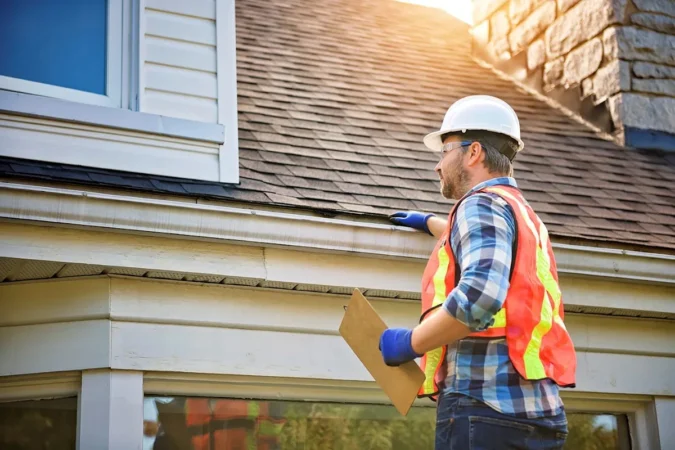
The top response said companies generally inspect homes to confirm that they meet underwriting guidelines. If a property does not meet those standards, the insurer can cancel the policy or require problems to be fixed. That means a buyer may think the insurance issue is settled, only to learn later that the roof will need attention.
For homebuyers, that distinction can be expensive. The quote may be usable for comparison shopping, but it does not always guarantee the roof will pass a later review.
Why aging roofs get extra scrutiny
Commenters said insurers often grow more cautious as roofs get older because age raises the odds of leaks and larger claims. A roof may still look serviceable, but once it passes a certain point, carriers may want more proof that it will hold up.
In the discussion, 20 years came up as a rough age when some insurers begin looking more closely, even if the roof does not show obvious failure. That does not mean every roof near that age is rejected. It does mean a buyer should expect more questions, more review, and possibly a condition attached to the policy.
The concern is not just whether the home can be insured today. It is whether the roof will continue to meet the company’s standards after an inspection.
A policy can start, then depend on an inspection
One of the most important warnings in the thread was that coverage can begin before the insurer finishes its follow-up check. A buyer might complete an application, receive a policy, and even move forward with the home purchase, only to hear later that the roof has to be repaired or replaced.
In that kind of case, the insurer may keep the policy active only if the homeowner makes the required fix. If the problem is serious enough, the company can also choose not to continue the coverage. That creates a risk for buyers who assume the first quote is the final answer.
The thread suggested that this is especially important for older homes, where roof age can shape the insurance decision even when the property otherwise appears in good condition.
A contractor letter may help resolve roof concerns
One commenter who said they work with inspections for Allstate pointed to one possible way to clear up questions about a roof. They said a contractor can provide a letter stating that no repair is needed, rather than simply estimating how many years the roof may have left.
That kind of documentation may help convince an insurer that the roof is acceptable. If repairs or a full replacement are needed, making those changes can also improve the odds of securing coverage. The commenter added that fixing roof issues may even reduce the premium in some cases.
For buyers, that means the insurance hurdle is not always final. But it can require paperwork, professional review, and sometimes a construction bill before the home is fully insurable on the terms the buyer expected.
Roof costs can change whether a home still fits the budget
The financial stakes are high because roof replacement can cost thousands of dollars. A buyer who planned to keep closing costs manageable may suddenly face a major extra expense if the insurer demands a replacement soon after the policy is issued.
That can affect more than the insurance itself. It may change whether the home purchase still makes sense at all. A property that looked affordable on paper can become much more expensive once the roof is tied to the insurance decision.
There is also another risk: some insurers may still cover an older roof, but not in a way that pays for a brand-new replacement after a loss. In that situation, the homeowner could be left covering a much larger share of the repair bill after a claim.
What buyers should watch before they commit
The discussion points to a simple lesson for anyone buying an older home: a quote is only one step in the process. Buyers need to know whether the insurer expects an inspection, what the company considers acceptable roof age, and whether any repairs must be finished before coverage stays active.
That information can affect timing, negotiating power, and the total cost of the house. It can also help buyers compare insurers more realistically, since one company may be stricter than another about roof condition. For older homes, the roof can be as important to the budget as the mortgage payment itself.
In the end, the thread showed how quickly a routine insurance search can become a major part of the homebuying calculation when the roof is already well into its service life.
More on what homes, rents and new builds are doing near you, on RHS Commoner.
