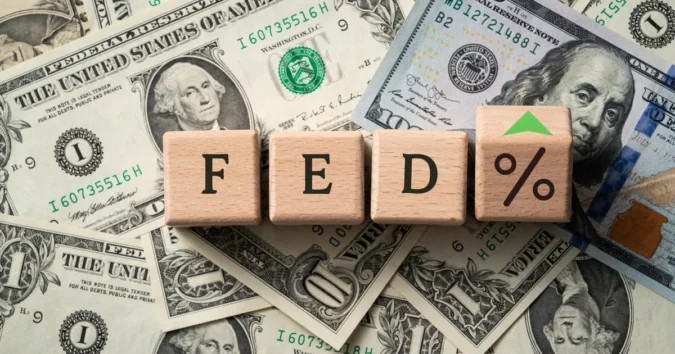
WASHINGTON, DC — The Federal Reserve has raised its benchmark interest rate by 25 basis points, its first increase since 2023, and the move arrives after months of frustration for homebuyers hoping for relief. The average 30-year fixed mortgage rate had climbed to 7.43% by mid-September, a full point higher than it was just a few months earlier.
That leaves buyers facing a difficult mix of expensive borrowing, high home prices and broader household costs that continue to rise. The Fed’s action does not automatically translate into a matching jump in mortgage rates, but it does keep the housing market under pressure at a moment when affordability was already stretched.
Why mortgage rates may not jump the same way the Fed did
Mortgage rates do not move in perfect step with the federal funds rate. The Fed’s benchmark influences borrowing across the economy, but fixed mortgage rates usually track the 10-year Treasury yield more closely than the central bank’s short-term target.
That matters because Treasury yields often move ahead of a Fed meeting as investors react to inflation data and broader economic reports. Some of the market reaction to this quarter-point hike may already be built into the mortgage rates lenders are offering now, which could limit any immediate shock for borrowers.
In other words, the size of today’s increase is only part of the story. The bigger question is what the move tells investors about where rates go next.
Future Fed signals could matter more than today’s quarter point move
If the new rate increase is seen as the start of another round of tightening, long-term bond yields could climb and keep mortgage rates elevated. That would make it even harder for buyers to afford monthly payments and could extend the freeze many households already feel in the housing market.
But there is a different path. If the Fed signals that it wants to pause and study how the increase affects inflation and the broader economy, pressure on mortgage rates may be more limited. In that case, longer-term Treasury yields could eventually ease, giving mortgage rates room to drift lower.
Upcoming inflation and employment reports will help shape that outlook, along with any hints in the Fed’s guidance about whether more hikes are coming. For borrowers, those clues may matter more than the headline rate change itself.
Buyers are already dealing with a tight affordability squeeze
The timing makes the Fed’s decision especially sensitive for housing. Many prospective buyers have spent much of 2026 waiting for rates to come down, only to see borrowing costs stay stubbornly high instead of easing.
At the same time, homeowners who locked in lower rates earlier have had little incentive to move or refinance, which has helped keep inventory tight. That combination has left many would-be buyers with fewer choices and less purchasing power.
With mortgage rates still near recent highs, even small changes in borrowing costs can have a noticeable effect on what families can afford each month. The Fed’s move adds another layer of uncertainty to a market that has not had much breathing room.
What borrowers can still control right now
For people looking to buy soon, the main advice is to focus on factors that can be managed directly. Shopping around remains important because mortgage rates and fees can differ widely from one lender to another, and even a small rate difference can change the monthly payment.
Borrowers close to a purchase may also want to ask about locking in a rate. If bond yields continue rising as markets absorb the Fed’s message, a lock could help protect against another increase. Buyers with more flexibility may prefer to wait and see how the market settles in the days after the decision.
Credit, debt and down payment still shape the loan you get
Even in a high-rate environment, a buyer’s own financial profile still matters. Stronger credit, lower outstanding debt and a larger down payment can all improve the terms a lender is willing to offer, regardless of where average mortgage rates land.
That makes this a moment to prepare rather than just react. House hunters who strengthen their finances may be better positioned to qualify for a more favorable mortgage when they are ready to move. The Fed’s latest hike changes the backdrop, but it does not remove the value of careful planning.
For now, the housing market is left watching two forces at once: the central bank’s next move and the bond market’s response. Mortgage rates will likely follow the latter more closely than the former.
More on what homes, rents and new builds are doing near you, on RHS Commoner.
