FOREST HILLS, MI — Mortgage rates have climbed to their highest level in 13 months, and the move is forcing both buyers and sellers in West Michigan to adjust how they approach the housing market. The average rate on a 30-year fixed mortgage has risen to 6.71 percent, according to Freddie Mac, up from 6.66 percent the prior week.
For people trying to buy a home, the difference is showing up in monthly payments. For sellers, it means presentation matters even more than it did when lower rates made the market feel a little easier to navigate.
Local agents say buyers are paying closer attention to the home itself
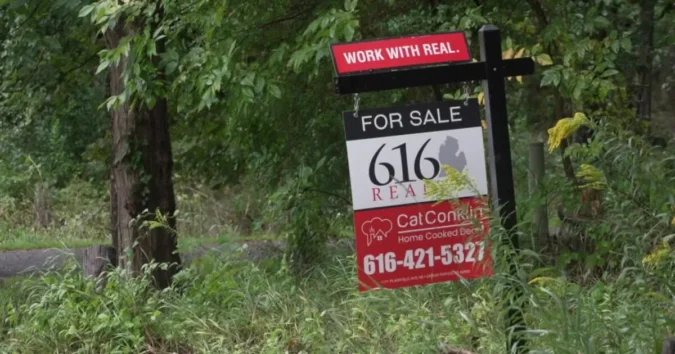
Real estate broker Cat Conklin of 616 Realty, who is selling a home in Ada, said higher rates have changed the way buyers look at listings. In a more rate-sensitive market, she said, sellers cannot rely on price alone to get attention.
Conklin said the focus now is on how a home looks and whether it draws people in quickly. Buyers appear more careful and deliberate, which makes curb appeal, staging and overall presentation more important for getting them through the door in the first place.
That shift matters because the home search is no longer just about comparing asking prices. It is also about whether a property feels worth the larger monthly commitment that comes with today’s borrowing costs.
Why economists say inflation fears are pushing rates higher
Grand Valley State University economics professor Paul Isely said the latest increase is tied in part to inflation concerns that have intensified because of the Iran war. He said the conflict has lifted oil and gas prices, which feeds broader worries about inflation.
When investors worry about inflation, they often sell bonds, and that can push interest rates higher. Isely said mortgage rates are being affected by that bond-market reaction, not just by conditions inside the housing market itself.
He also pointed to other influences, including Federal Reserve policy, demand for mortgages, and a process economists call crowding out, when government and corporate borrowing competes for available money and raises borrowing costs for everyone else.
A payment that was expected to fall is now moving in the opposite direction
Isely said rates were expected to decline to around 5.5 percent this summer, but the war changed that forecast. Instead of moving lower, borrowing costs have stayed elevated and added to the strain on household budgets.
He said the difference between where mortgage rates were expected to be and where they are now adds up quickly. For a borrower paying a mortgage, that gap can mean roughly $350 more per month, he said.
On a home priced around $350,000, Isely said the recent jump compared with February is adding about $150 to $200 per month to a mortgage payment. That kind of increase can change what a family can comfortably afford, even if the listing price itself does not move much.
Demand has stayed resilient because many millennials are still trying to buy
Even with higher rates, Isely said buyer demand has remained fairly steady. He said the main reason is demographic: many millennials are now in their 30s and 40s, which is the stage of life when a lot of people want to become homeowners.
Those buyers have not disappeared simply because rates rose. Many have been waiting through a stretch of high prices and low supply, which has created pent-up demand that is still working its way through the market.
That background helps explain why the market has not slowed as much as some people might expect. The need for housing is still there, even if the path to buying one looks more expensive than it did a few years ago.
Mortgage professionals say the right budget matters more than chasing the rate
Ross Mortgage President Tim Pasquarella said homebuyers should begin with the payment they can realistically handle, not with the mortgage rate headline they are reading that day. In his view, the first question is what monthly cost fits the buyer’s finances.
From there, the borrower can determine how much they can afford to borrow and then decide what kind of house to pursue. That sequence, he said, keeps the search grounded in the family budget rather than in a number that may change again next week.
Conklin offered a similar message for people who can already make the numbers work. She said waiting may not help if affordability is already there, because buying sooner can reduce the chance of paying even more later if rates stay high or move higher again.
The near-term outlook suggests rates may stay elevated
Isely said he does not expect a major drop in rates soon. Even if geopolitical tensions ease, he said elevated prices and heavier government borrowing are likely to keep mortgage rates above where many buyers hoped they would be.
That outlook matters for both sides of the market. Buyers may need to plan for higher monthly costs, while sellers may need to make their homes stand out more in order to attract the smaller pool of shoppers willing to move forward at current levels.
For now, the West Michigan housing market appears to be adapting rather than freezing up. The numbers are higher, but people are still buying, still listing homes, and still trying to find a workable deal in a more expensive lending environment.
More on what homes, rents and new builds are doing near you, on RHS Commoner.
