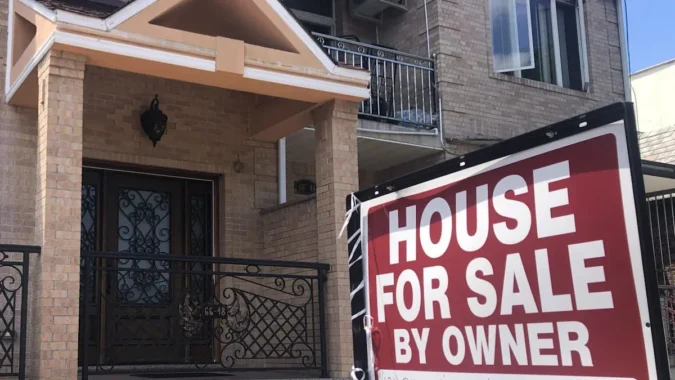
WASHINGTON, DC — Mortgage rates for 30-year U.S. home loans have moved above 7%, pushing monthly payments higher for new buyers and bringing borrowing costs to their highest level in about two years. NerdWallet said the average rate reached 7.16% on Tuesday, while Reuters noted it was the first time the benchmark had been above 7% since the first week of Donald Trump’s first term.
The increase lands at a moment when buyers are already weighing affordability, inventory, and the risk of waiting for a better rate. Real estate experts say the latest move is another reminder that the path to a cheaper home payment is not always clear, especially when rates and prices both remain elevated.
Why mortgage costs are rising now
The recent jump in mortgage rates tracks with broader moves in the bond market. Reuters said yields on 10-year Treasury notes, which help set mortgage pricing, are near their highest levels in two decades. When Treasury yields rise, lenders often charge more for long-term home loans.
Last week, the Federal Reserve raised its benchmark interest rate in an effort to cool inflation. Mortgage rates do not move in lockstep with the Fed, but the central bank’s actions can still influence borrowing costs across the economy. That backdrop has left many would-be buyers facing a more expensive financing environment than they expected earlier in the year.
Higher fuel costs and a slower housing market are part of the picture
Rates have also climbed more than a full percentage point since joint U.S.-Israeli strikes against Iran helped push oil prices higher in late February, according to Reuters. Rising gas prices then added another layer of pressure for households already stretched by housing costs and other expenses.
Those conditions have helped slow the housing market, as some prospective buyers have become more cautious about taking on a larger monthly payment. Even small rate changes can shift what a family can afford, so the recent run-up has made the market feel tighter for people shopping for a first home or trying to move up.
Some buyers are still moving ahead despite the higher rate
Freddie Mac chief economist Sam Khater told FOX Business earlier this month that purchase demand has stayed relatively stable, which he said points to “steady interest from buyers adapting to evolving market conditions.” That suggests the market has not frozen even as financing costs have moved higher.
Real estate expert Tony Giordano told Fox News Live that some people who had been waiting on the sidelines may be getting back into the search now that rates have risen again. In his view, the move can push buyers to stop waiting for a perfect moment and focus on whether the payment works for their budget.
Inventory is building and that may give shoppers more leverage
Zillow said just before the latest rate move that U.S. home sales are likely to fall 3.5% in the fourth quarter of 2026. At the same time, the company said inventory was still rising, with listings up a little more than 10% from a year earlier and moving at more than twice the pace seen in the first quarter.
That growth in supply could lead to more price cuts, Zillow said, along with more choices and greater bargaining power for shoppers than they have had in years. For buyers who can afford today’s rates, more homes on the market may soften some of the pressure even if borrowing remains expensive.
What homebuyers are being told to consider
Giordano’s advice to buyers was direct: if they are qualified and can afford the payment, they should not hold off solely because rates are high. He said some buyers are telling themselves they are waiting for rates to fall, but may actually be waiting for nothing if the right home is already within reach.
He used the familiar line, “You date the rate. You marry the house,” to describe the idea that a mortgage can potentially be refinanced later if borrowing costs ease. The message is that a manageable payment matters more than trying to time the market perfectly, especially when supply remains limited.
Why the lack of home construction still matters
Giordano also pointed to limited home construction as a long-term problem. He said the United States is not building enough houses, which in his view supports continued growth in home values over time. That shortage can keep pressure on prices even when rates make financing more expensive.
For buyers, that means the decision is not just about interest rates. It is also about whether to move now, while more inventory may be available, or risk facing higher prices later if home values keep climbing. The current market leaves households balancing monthly affordability against the chance that waiting could make the home itself harder to reach.
More on what homes, rents and new builds are doing near you, on RHS Commoner.
