LOS ANGELES, CA — Southern California’s housing market may feel uniquely punishing in 2026, but a Los Angeles Times analysis says the region is echoing the mid-2000s rather than inventing a brand-new kind of pain. The biggest confirmed numbers still look eye-popping: Zillow put the median home price at $885,000 in Los Angeles County and $1.19 million in Orange County.
The Times framed that sticker shock against a familiar pattern of long commutes, delayed ownership and buyers stretching farther from their jobs. One new homeowner who bought in Tehachapi, about 100 miles from Chatsworth, said the family felt lucky to get in at all. The piece argues that today’s market is severe, but it is not the same kind of credit-fueled boom that defined 2005.
What The Numbers Show
The Times said its analysis compared 2025 and 2026 buyers with the Southern California market in 2005, using data from the California Association of Realtors. In 2005, the median buyer was 40 years old and had household income of $92,500. Adjusted for 2025 dollars, the income would be more than $150,000. The average home bought then measured 1,600 square feet and cost $525,000.
By 2025, the median buyer had risen to 45 and earned $160,000 in annual household income. The average home bought was 1,700 square feet and cost $820,000. California Association of Realtors President Tamara Suminski said in a written response that buyers are entering the market later, saving longer and facing higher barriers because of home prices, mortgage rates, living costs and years of limited supply.
Why This Market Feels Different
One of the clearest contrasts with 2005 is lending. UCLA professor Michael Lens said the early-2000s surge was powered in part by financial tools and easy credit that pushed building and buying in places with less demand. He said that period had “comparably high costs,” but it also depended on a system that made it too easy for some borrowers to get in.
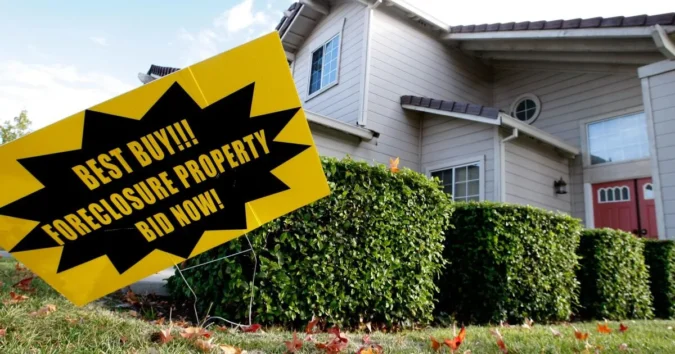
The current market, by contrast, is tighter and more disciplined. The Times said reforms have led to stricter lending rules and larger down payments, which can reduce the risk of foreclosure. The report also noted that the average buyer’s income has not really kept pace with the broader cost of living, even as prices remain far above what many households can manage.
What It Means Next
The practical effect is that lower-income households remain locked out for longer, while higher-earning buyers are more likely to qualify and bring larger down payments to the table. The median California household made around $100,000 in 2025, according to census data cited by the Times, while the average homebuyer earned about 60% more than that. In 2005, the gap was wider.
That shift does not make buying easy, but it does suggest a different market structure from the last bubble. Lens said households are forming later and buyers are waiting longer because housing costs keep rising. For readers trying to track the same trends, the places to watch are Zillow for price snapshots, the California Association of Realtors for buyer data and census releases for income comparisons.
More on what homes, rents and new builds are doing near you, on RHS Commoner.
