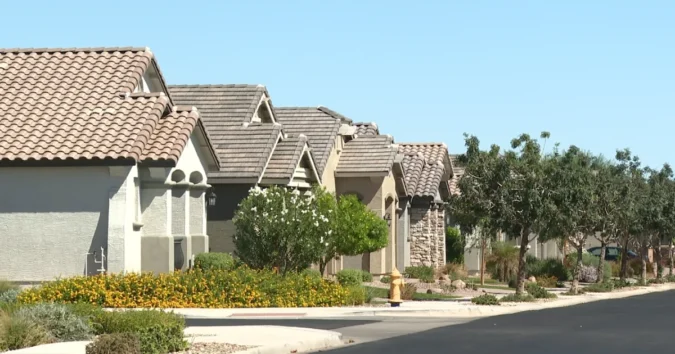
SURPRISE, AZ — Buying a home in Surprise is getting harder even as the city keeps growing. Mortgage rates have climbed to their highest level in nearly three years, raising the cost of borrowing at the same time thousands of new homes are being added in northwest Surprise.
The average rate on a 30-year fixed mortgage rose to 7.3% this week, the biggest one-week jump in about four years and the highest level since November 2023. For people already facing high home prices, that increase adds another obstacle to getting into the market.
Residents and housing advocates say the effect reaches beyond one monthly payment. Higher borrowing costs can reduce how much buyers qualify for and can make would-be homeowners wait longer before making a move.
How the latest rate jump changes the monthly math
The increase in mortgage rates matters because it affects affordability in several ways at once. A higher rate means a larger monthly payment on the same home, and it can also shrink the loan amount a buyer is approved to take on.
That squeeze is especially difficult in a market where prices have already risen sharply. Surprise resident Saleah Duke said homebuying feels far more expensive than it did a decade ago, when the same purchase would have cost much less.
“It’s just really difficult because, I mean, buying a home, it costs like three, four times as much as it did 10 years ago,” Duke said. She added that the payment terms can feel overwhelming when she thinks about the long stretch of time it would take to pay the loan down.
For many shoppers, the result is hesitation. Instead of rushing to buy, some are stepping back and waiting for conditions to improve.
Housing advocates warn fewer people will move into new mortgages
Nicole Newhouse, executive director of the Arizona Housing Coalition, said borrowing costs at this level are likely to slow home purchases across the board. She said inflation remains a key reason rates have stayed elevated.
“Across the entire spectrum, you’re going to have much less movement in home purchases,” Newhouse said. “It’s going to slow down because nobody’s going to want to get into a mortgage with rates at this height.”
That slowdown can affect more than individual buyers. When fewer people are moving, the market can become less active overall, limiting the flow of homes for sale and making it harder for first-time buyers to break in.
Newhouse said an interest-rate bump can push a home even farther out of reach for someone who has worked hard and is trying to buy for the first time.
First-time buyers face a longer wait before entering the market
The pressure is showing up in the age of the typical first-time buyer. According to the National Association of Realtors, the median first-time homebuyer is now 40 years old, much older than buyers in earlier generations.
Housing advocates say that number could keep climbing if borrowing costs stay high. People who hope to buy may spend more years saving for down payments, waiting for better conditions, or postponing a purchase altogether.
That delay has real consequences for younger households trying to build stability. A later entry into homeownership can change when a family starts building equity and how long it takes to reach that first purchase.
Duke said she does not want to spend many more years waiting. At 27, she said the idea of pushing off a home purchase by another decade feels out of reach.
Builders in northwest Surprise lean on incentives to keep buyers interested
Homebuilders in Surprise are trying to soften the blow with offers such as mortgage-rate buydowns and closing-cost assistance. Those incentives can help reduce the upfront and monthly burden for some buyers, even when rates remain high.
They also support continued growth in northwest Surprise, where thousands of homes are under construction or planned. The area remains one of the most active parts of the city’s development pipeline.
Still, builder incentives cannot erase the effect of higher interest rates. Even with help on closing costs or a temporary rate reduction, the cost of borrowing remains a major factor in whether a buyer can afford a home.
That leaves developers trying to attract buyers in a market where the number of homes is rising, but affordability is slipping in the other direction.
More homes are going up, but affordability is moving the other way
Surprise is one of Arizona’s fastest-growing communities, and the contrast in the housing market is becoming harder to ignore. Construction is adding supply, yet the cost of financing is making that supply harder for many households to reach.
Industry experts say the result could be less movement across the market, with current owners staying put and prospective buyers waiting. That can keep inventory tight and make it even more challenging for newcomers to get a foothold.
For now, buyers, sellers and builders are all watching rates closely and hoping for relief in the months ahead. Until that happens, the housing market in Surprise is likely to remain defined by a mismatch between growth and affordability.
More on what homes, rents and new builds are doing near you, on RHS Commoner.
