PHILADELPHIA, PA — A Pennsylvania homebuyer looking for a fair comparison to a family purchase from 1994 found how difficult the market has become for many first-time buyers. The search focused on a single-family house that was 1,800 square feet and bought for $135,000, which works out to about $305,000 in today’s dollars.
When the buyer looked for similar homes in the county, the results were thin. The poster said there were only three matches, and one of them needed a full rehabilitation. The family home itself is now listed on Zillow in a strong school district and carries a Zestimate of $520,000.
A Family Home From 1994 Looks Very Different in Today’s Market
The comparison started with a simple question: what would the house cost if it were bought today, or what kind of home could a buyer get for roughly the same inflation-adjusted amount? That was the lens used to compare a 1994 purchase with current listings in the same area.
Using the family’s old purchase price as a benchmark made the gap clear. The original $135,000 sale price is far below what a similar home is likely to command now, and the Zestimate attached to the property suggests a value increase that far outpaces inflation alone. For the buyer, that difference was not theoretical. It was a sign that the kind of starter home their parents bought may no longer be easy to find at a similar price point.
Three Listings Were Found, and One Was a Teardown-Level Fixer
The county search produced only three single-family homes with a similar size and price profile. That was the central point of the Reddit post, because it suggested just how narrow the field had become for buyers trying to stay within a comparable budget.
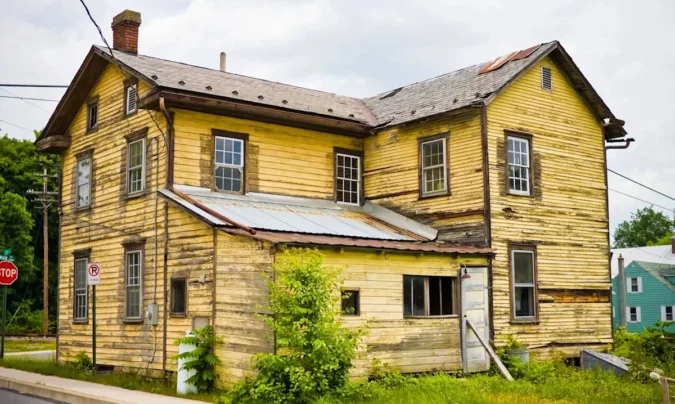
One of the three properties was described as needing a total rehab, which meant it was not a clean substitute for a move-in-ready family house. That detail matters because first-time buyers often have to balance monthly payments with repair costs, and a lower sticker price can quickly become less affordable once major work is added. The buyer’s reaction captured that frustration: the search did not reveal an abundance of options, but a scarcity of usable ones.
Commenters Said Wages Have Not Kept Pace With Housing Costs
People responding to the post said the pattern felt familiar across the broader Philadelphia-area housing market. One commenter said they had left Bucks County for Lehigh County because prices had climbed so sharply. That person also said a home purchased in 2015 was now worth double the original price.
Another commenter argued that incomes and prices have both risen over the last 30 years, but not in the same way. In that view, wages may have roughly doubled while house prices have roughly quadrupled. That gap is what many buyers now point to when they say the market has moved beyond what local salaries can support, especially for younger households trying to enter homeownership for the first time.
Even Big Gains Can Look Less Impressive After Taxes and Upkeep
Not every response treated appreciation as a simple success story. One commenter said large gains can look smaller once ownership costs are added in, including taxes and other regular expenses that come with holding a property for decades. That point reflects a common reality in homeownership: the sale price is only part of the financial picture.
Another commenter pointed to a nearby home that sold for $67,000 in 1988 and later brought in $760,000, calling the situation “out of control.” Those examples were used to show how sharply the market has changed over time. They also underline why some long-term owners may see a windfall on paper while newer buyers see a wall of unaffordable listings.
Why the Story Resonates With Buyers Still Waiting to Enter the Market
The post struck a nerve because it framed a housing question many Americans now face: not whether ownership is worthwhile, but whether the homes their parents bought are still available in any realistic form. For buyers who grew up expecting a similar path, the answer is often no, or at least not without major compromises.
That is why the comparison between a 1994 purchase and today’s listings felt so stark. A house that once fit a middle-class family budget can now sit far above what a first-time buyer expects to pay, even after adjusting for inflation. The result is a market where the available homes are fewer, pricier, and in some cases in poor condition, leaving many would-be buyers stuck on the sidelines.
More on what homes, rents and new builds are doing near you, on RHS Commoner.
