LA CROSSE, WI — Higher mortgage rates are making the path to a first home feel harder for some people in La Crosse, especially younger adults already dealing with college costs, student debt and everyday bills. With the average 30-year mortgage rate now above 7%, the monthly cost of borrowing has climbed enough to change what many first-time buyers think is realistic.
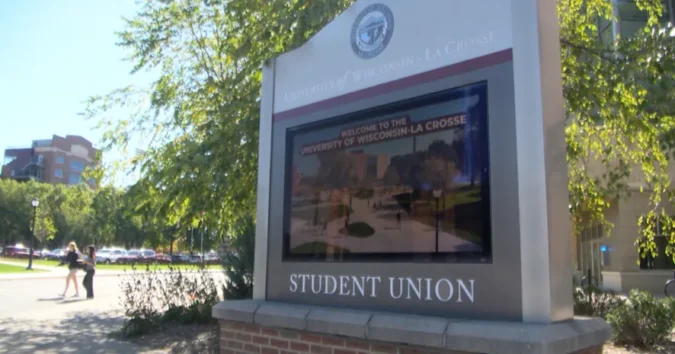
At the University of Wisconsin-La Crosse, students say the combination of housing costs and ordinary living expenses is weighing on their outlook. The pressure is not limited to home loans alone. Groceries, gas and tuition-related debt are all part of the picture, and that mix is leaving some would-be buyers doubtful about when they will be ready to purchase.
Students Say Homeownership Feels Further Away as Costs Stack Up
For some UW-La Crosse students, the idea of owning a home does not feel like a near-term goal. Quincy Boger said the financial strain of college life makes it hard to feel confident about the future, including buying property.
Boger described the current moment as discouraging for someone trying to get through school while also thinking about what comes next. Rising housing costs, along with the price of food and fuel, can make long-term planning feel out of reach. That sense of uncertainty is part of why higher mortgage rates carry so much weight for younger buyers who have not yet built up savings or household income.
When borrowing costs rise, first-time buyers often have to lower their expectations or wait longer before entering the market. Even a modest increase in rate can change the monthly payment enough to shrink the home price a buyer can support. For students and recent graduates, that can push homeownership farther into the future.
Why a 7 Percent Mortgage Rate Changes the Monthly Budget
A mortgage rate above 7% affects more than the sticker price of a house. It changes the size of the monthly payment and reduces the amount of home a buyer can afford while staying within budget. That matters most for first-time buyers, who usually have less equity and fewer options to offset the higher cost.
In practical terms, the same income that supported one purchase price when rates were lower may now support a smaller one. That can force buyers to look at different neighborhoods, smaller homes or a longer timeline for saving. It can also make it harder to compete with buyers who have more cash on hand.
The current market is especially tough for people who are already stretched by rent, school loans and daily living expenses. When those pressures add up, a jump in mortgage rates can be enough to delay a purchase even if someone is otherwise ready to buy.
FHA Loans Offer One Lower Down Payment Option
Tom Wilson, past president of the La Crosse Realtors Association, said buyers still have some tools to work with even in a difficult market. One option he highlighted is the Federal Housing Administration loan, which can require a smaller down payment than many conventional loans.
That feature can help first-time buyers who have steady income but have not yet saved enough for a larger upfront payment. Wilson said the lower down payment requirement can make it easier to get started, especially for households trying to enter the market for the first time.
FHA loans are not a cure-all for affordability problems, but they can open a path for buyers who need more flexibility at the beginning. For some people, that can be the difference between waiting and moving forward with a purchase. Wilson’s point was that the market is tighter, but not closed off.
Adjustable Rate Mortgages Can Lower the Start Price but Carry Risk
Wilson also said adjustable-rate mortgages may be worth considering because they can begin with a lower interest rate than a fixed-rate loan. That lower introductory rate can make the early years of homeownership more manageable for some buyers.
But he also cautioned that the future cost is not guaranteed. As rates reset, monthly payments can rise, which means buyers need to think carefully about how long they plan to stay in the home and whether their budget could handle a higher payment later.
That tradeoff matters in a market where first-time buyers may already be stretching to make a purchase. A lower initial rate can help with the first steps, but it also introduces uncertainty. For households with tight budgets, that uncertainty may outweigh the short-term benefit.
Global Instability Adds Uncertainty to Local Housing Decisions
Wilson said broader world events are also affecting confidence in the housing market. He pointed to global instability, including the war with Iran, as one factor contributing to uncertainty around mortgage rates and buyer behavior.
When financial markets react to international tension, borrowing costs can become harder to predict. That uncertainty matters for buyers deciding whether to lock in a mortgage now or wait for a better opening. In a market already strained by high rates and high living costs, even small shifts in outlook can affect timing.
Wilson said he hopes conditions will settle enough to bring rates down in the months ahead. He said he would like to see borrowing costs ease into 2027 if the broader situation stabilizes. For now, though, the message to buyers is that the market remains difficult to read.
Where Buyers Can Look for More Housing Market Information
For people trying to understand what comes next, Wilson said more housing-market updates are available through the Wisconsin Realtors Association. That kind of local and statewide guidance can help buyers compare loan types, track rate trends and understand how current conditions affect monthly payments.
In La Crosse, the immediate challenge is that higher borrowing costs are landing on top of already expensive everyday life. For students, young workers and others hoping to buy for the first time, that can delay plans even if homeownership remains a long-term goal.
Wilson’s comments suggest that there are still financing paths available, but they require careful choices and realistic expectations. As long as mortgage rates stay elevated, many first-time buyers will keep doing the math before they make a move.
More on what homes, rents and new builds are doing near you, on RHS Commoner.
