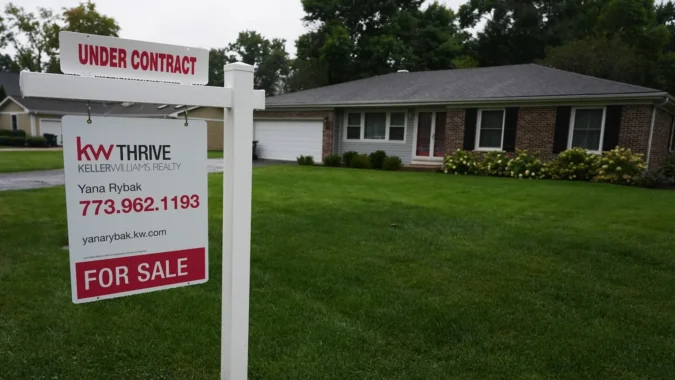
WASHINGTON, DC — Long-term U.S. mortgage rates rose for a seventh straight week, pushing the average 30-year fixed loan to 7.40 percent, according to Freddie Mac. That is the highest level in nearly three years and a reminder that borrowing costs remain a major obstacle for would-be homebuyers.
The latest increase from 7.28 percent a week earlier leaves the benchmark rate well above where it stood a year ago, when it averaged 6.30 percent. Freddie Mac said the current level is the highest since Nov. 16, 2023, when the average was 7.44 percent.
30 year loans hit their highest level since late 2023
The 30-year fixed mortgage is the loan most closely watched by house hunters because it sets the monthly payment for many buyers. A rate above 7 percent can quickly change what families can afford, especially when home prices are already high in many markets.
Freddie Mac said the increase came after another week of steady movement higher. The 1.12 percentage point gap between today’s average and the 6.30 percent level a year ago shows how much more expensive financing has become for new buyers over that span.
The benchmark also matters beyond new purchases. Even people who are not buying a home right now often use the 30-year rate as a signal of where the housing market is headed and whether conditions may improve soon.
Refinancing borrowers also saw higher costs on 15 year loans
Rates on 15-year fixed mortgages rose as well, climbing to 6.73 percent from 6.60 percent the prior week. A year ago, the average 15-year rate was 5.53 percent, showing that refinancing costs have also moved sharply higher.
These shorter loans are often chosen by homeowners looking to refinance an existing mortgage. When rates move up, that usually makes it harder for borrowers to lower a monthly payment or shorten the life of a loan with a meaningful savings.
For many households, the higher cost of refinancing has become as important as the cost of buying. The latest move suggests that both parts of the mortgage market remain under pressure at the same time.
War driven bond swings and inflation worries are helping push rates up
Mortgage rates have been rising in the months since the start of the U.S. war with Iran in late February. Freddie Mac said the recent run-up also reflects sharp bond market volatility and inflation concerns tied to surging oil prices.
Home loan rates are shaped by several forces, including inflation, Federal Reserve policy and what bond investors expect the economy to do next. Lenders generally track the 10-year Treasury yield when pricing mortgages, so changes in that market can quickly spill into home loans.
That benchmark yield has climbed to its highest level since 2002, reflecting worries about inflation, large government debt loads and other factors. At midday Thursday, the yield stood at 5.29 percent, far above its 3.97 percent level before the war began.
Higher monthly payments are keeping buyers on the sidelines
The jump in mortgage rates adds real money to a monthly housing payment. Freddie Mac said the increase from late February, when the 30-year rate briefly fell to 5.98 percent, translates to about $376 more per month on a $400,000 loan.
That difference helps explain why the housing market has stayed sluggish. When borrowing costs rise, buyers lose purchasing power, which can delay a home search or force shoppers to look at less expensive properties.
For many families, the math alone is enough to pause a purchase. Higher rates can make a home feel out of reach even when a household’s income has not changed much.
Home sales and mortgage applications have both weakened
The housing slowdown has been building since 2022, when mortgage rates began climbing from pandemic-era lows. Sales of previously occupied U.S. homes were essentially flat last year and remained stuck near a 30-year low.
Last month, the National Association of Realtors said existing home sales fell 2 percent in August from July to a seasonally adjusted annual rate of 3.98 million units. That was the slowest annual pace in more than a year.
Mortgage applications fell for a fifth consecutive week, according to the Mortgage Bankers Association. Refinance applications dropped to their lowest level since January 2025 and were less than half of last year’s pace, underscoring how higher borrowing costs are hitting both buyers and current homeowners.
Borrowers can still see different rates depending on credit and income
Even with the national average moving higher, not every borrower will see the same mortgage offer. Freddie Mac noted that rates can vary based on income, credit history and other factors, and some borrowers may qualify above or below the published average.
That means the Freddie Mac figure is best understood as a broad market guide rather than a guaranteed quote. Still, the trend is clear: borrowing for a home is more expensive now than it was a year ago, and the market has yet to show signs of relief.
For households weighing a purchase or refinance, the latest numbers suggest patience may remain part of the strategy, even as sellers, lenders and buyers all adjust to a housing market that is still working through years of rising rates.
More on what homes, rents and new builds are doing near you, on RHS Commoner.
