STATEN ISLAND, NY — Two confirmed Legionnaires’ disease cases at Castleton Park Apartments in St. George have prompted a New York City Health Department investigation into the building’s internal hot water system. Officials said the two residents tested positive within the last 12 months, which meets the city’s trigger for a building evaluation.
The inquiry is limited to the apartment complex and is not being handled as a community cluster investigation. Health officials said there is no risk to the surrounding area, and they stressed that the effort is focused on the building’s water system rather than a cooling tower.
Health officials focus on the building’s hot water system, not a cooling tower
The distinction matters because several recent Legionnaires’ investigations in New York City have centered on cooling towers, which can spread contaminated mist. In this case, the Health Department said it is evaluating the complex’s internal hot water system instead.
City officials said remediation is already underway and that they will keep residents updated as the work continues. They also said it is safe to drink the building’s tap water, though residents should still follow the department’s guidance for safe water use while the investigation proceeds.
The city said building evaluations are typically launched when two or more residents are diagnosed within a 12-month period. That threshold appears to have been met at Castleton Park Apartments based on the two confirmed cases now under review.
What Legionnaires' disease is and how it spreads
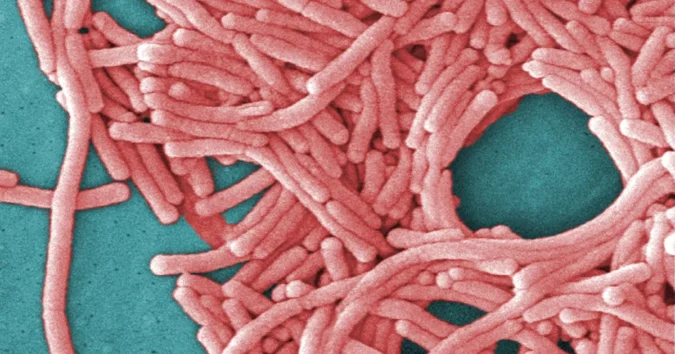
Legionnaires’ disease is a type of pneumonia caused by Legionella bacteria, which grows in warm water. Health officials said the illness does not spread from person to person, so the concern is tied to environmental exposure rather than casual contact between residents.
Officials also said most people exposed to Legionella do not become sick. For most healthy individuals, the risk of infection from a building water system remains low, even when a building is being investigated.
That said, the disease can become serious enough to require medical attention, especially when it is not caught early. The city is treating the Castleton Park cases as a public health matter because of the potential for additional exposure inside the building.
Residents with symptoms are being urged to seek medical care quickly
The Health Department urged anyone living at Castleton Park Apartments who develops symptoms such as fever, chills, muscle aches, or cough to get medical attention. Officials placed particular emphasis on residents age 50 or older and those with higher-risk health factors.
People who smoke or vape, as well as residents with chronic lung disease or weakened immune systems, were specifically listed as groups who should be especially alert. Those categories are considered more vulnerable if they are exposed to the bacteria.
City officials did not say whether additional residents have been tested, but they said updates and guidance will continue to be shared with the building’s tenants as remediation moves forward.
Why this Staten Island case is being treated differently from recent outbreaks elsewhere
Staten Island Borough President Vito Fossella said being proactive can help prevent more people from getting sick if Legionella is present in a building. His comments come as New York City has seen other recent investigations tied to different apartment complexes.
A Queens apartment complex was recently investigated after two residents tested positive for Legionnaires’ disease. Officials also pointed to larger responses on the Upper East Side and in the South Bronx, where Legionella bacteria were detected in cooling towers and broader public health steps were needed.
By contrast, the Castleton Park case has not been described as a community-wide outbreak. Health officials said the current probe is narrower and is meant to address the building itself rather than nearby blocks or neighborhoods.
What residents and the public can take from the city’s update
For Castleton Park residents, the city’s message is mixed but direct: the tap water is safe to drink, but the building is still undergoing remediation and tenants should follow water-use advice from the Health Department. That means the main concern is the building system, not the wider Staten Island area.
For everyone else, the case is another reminder that Legionnaires’ disease can emerge where warm water systems allow bacteria to grow. Health officials say the chance of illness is still low for most people, but prompt testing of building systems can help limit further exposure.
The Health Department said more information is available through its Legionnaires’ disease resources, and it will continue to update Castleton Park residents as the investigation and repairs continue.
More on what homes, rents and new builds are doing near you, on RHS Commoner.
