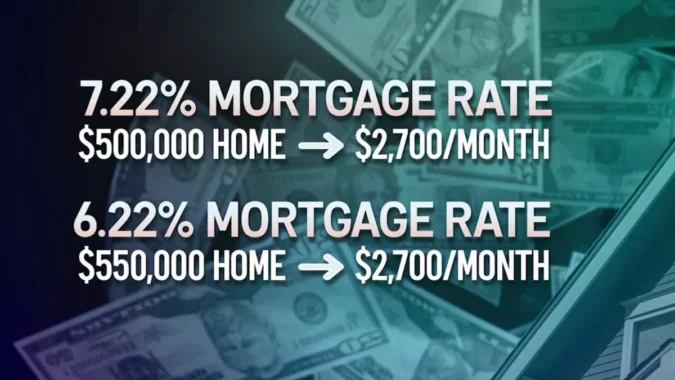
HARTFORD, CT — Mortgage rates have climbed to 7.22%, adding another layer of pressure to Connecticut’s housing market and making it harder for many buyers to move forward. The higher borrowing cost comes as households continue to deal with elevated prices and a market that has remained difficult to navigate.
For would-be homeowners, even a small change in rates can reshape what a monthly payment looks like. In Connecticut, where affordability has already been a concern, the latest jump can reduce buying power and force shoppers to rethink the size or location of the home they can pursue.
Higher borrowing costs are changing what buyers can afford
A mortgage rate of 7.22% is high enough to matter for families trying to qualify for a loan or stay within a monthly budget. When rates rise, the same home can cost significantly more over the life of a mortgage, even if the asking price has not changed.
That pressure is especially important in a state like Connecticut, where many buyers are already balancing home prices, taxes, insurance and everyday household expenses. The result is a tighter squeeze that can keep some shoppers on the sidelines or push them toward lower-priced homes.
Real estate professionals often see that kind of shift quickly. Buyers may need larger down payments, lower purchase prices or more time to compare options before making an offer.
Connecticut’s housing market is still working through affordability strains
The NBC Connecticut report points to rising costs as a continuing drag on the state’s housing market. That includes the impact of financing costs, which can rise faster than many people expect when mortgage rates move up in a short period.
Even households that are financially ready to buy can find their choices narrowed. A higher rate can mean qualifying for less, which affects not only first-time buyers but also families looking to move into a larger home or relocate within the state.
Those pressures can ripple through the market. When fewer people can comfortably buy, sellers may face a smaller pool of qualified shoppers, and deals can take longer to come together.
What the 7.22% rate means for monthly payments
The headline number is more than a market statistic. For many households, it translates directly into a larger monthly bill, and that changes how they approach house hunting from the start.
At a rate like 7.22%, buyers often have to rethink whether they can afford the neighborhood, the square footage or the features they hoped to get. Some may decide to wait and watch rates, while others move ahead but choose a smaller mortgage amount.
This is one reason mortgage rates have such an outsized effect on housing activity. Even when inventories and prices stay steady, borrowing costs alone can alter demand and slow momentum.
Why local buyers are feeling the squeeze now
Connecticut shoppers are dealing with a combination of expensive borrowing and a market that still reflects years of pressure on supply and affordability. When rates rise on top of that, the challenge becomes less about finding a house and more about finding one that fits the budget.
That can be especially difficult for first-time buyers, who usually have less room to absorb higher payments. It can also be a setback for move-up buyers who need to sell one home before buying another and are watching both sides of the transaction closely.
In practical terms, the rate environment may encourage more caution. Buyers may shop longer, submit fewer aggressive offers or wait for a more favorable moment to lock in financing.
What home shoppers in Connecticut can watch next
The latest jump leaves buyers and sellers paying close attention to where mortgage rates head from here. A sustained move above 7% can keep pressure on affordability, while any easing could open the door for more activity.
For now, the market appears to be adjusting to the reality of higher costs. That means homeowners thinking about listing, as well as buyers trying to enter the market, will likely keep watching rate movements as closely as they watch home prices.
In a state already grappling with access and affordability concerns, the difference between a 6% mortgage and a 7.22% mortgage can be enough to determine whether a deal feels manageable or out of reach.
More on what homes, rents and new builds are doing near you, on RHS Commoner.
