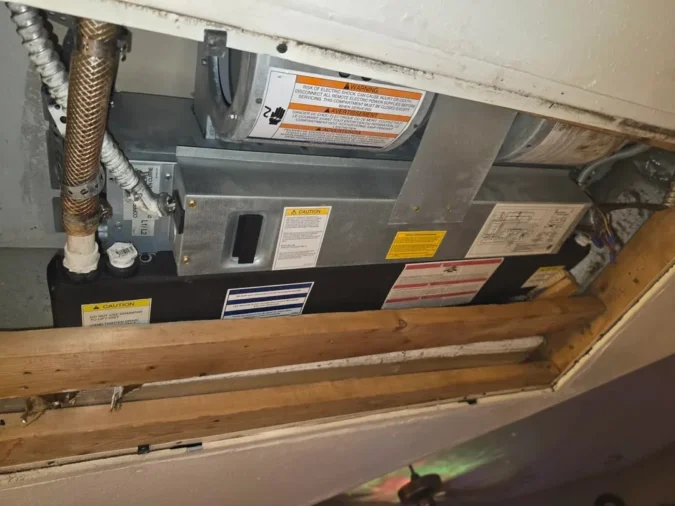
WASHINGTON, DC — A renter says a third-floor apartment climbed to 86 degrees at 10:30 p.m. even though it was still 80 degrees outside, with the air conditioner failing to cool the unit. The post, shared in Reddit’s r/hvacadvice community, described a system that was dripping water every day and icing over while management said there was nothing to fix.
The poster said maintenance told them the freon was fine and that everything was working properly. In the post, the renter said they were frustrated by the combination of rent and electricity costs and wanted help figuring out what to do next. The person also said they work as an electrician and were willing to handle repairs themselves if there was a practical step they could take.
What The Post Said
The details in the post centered on a cooling system that appeared to be running poorly despite the landlord side saying it was operating as expected. The renter included images of the HVAC setup and wrote that the apartment was barely cooling. More than a hundred commenters responded, turning the thread into a crowd-sourced troubleshooting and tenant-advice discussion.
The top reply urged the renter to call city code inspectors. The original poster replied that they planned to do that on Monday, saying they had a lot going on and appreciated the push. Other commenters focused on signs of moisture damage in the photos, saying there appeared to be mold inside the AC housing and warning that the apartment should be documented by an inspector.
Why Moisture Matters
The broader concern raised in the discussion was not just heat, but what persistent dripping and icing can mean for a home. When cooling equipment struggles, renters can still end up paying for electricity while getting little relief from the temperature. Ongoing moisture can also create conditions that raise the risk of mold or water damage, especially if the problem continues for days or weeks.
Commenters also linked the issue to habitability. Several pointed out that prolonged indoor heat can be especially difficult for older adults, children, pets, and people with medical conditions. The post itself did not identify a city or state, but the advice focused on keeping records, since documentation can matter if a renter later needs to show repeated repair requests or unsafe indoor conditions.
What Renters Can Check
In the thread, the practical advice was to log indoor temperatures, save timestamped photos or videos of water dripping and ice buildup, and make repair requests in writing. Commenters said that can create a clearer record if a landlord or maintenance team insists a system is working. They also suggested checking local tenant protections, since some cities and states have habitability rules, repair timelines, or code-enforcement options.
The conversation also touched on home rules that can limit simple cost-saving choices, with commenters mentioning that renters and homeowners sometimes run into restrictions that make it harder to cut utility bills or improve a home’s operation. For readers who face a similar issue, the most direct place to verify next steps is local housing or code-enforcement guidance, along with the lease or property rules that govern repair requests and access to the unit.
More on what homes, rents and new builds are doing near you, on RHS Commoner.
