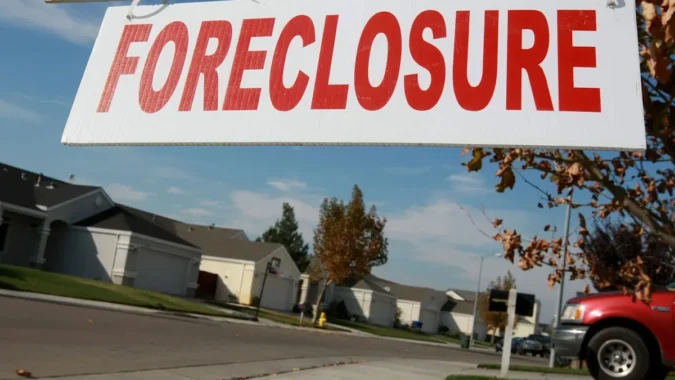
DETROIT, MI — A Detroit woman says her family may have to raise $10,000 quickly after her husband became responsible for overdue homeowners association fees on a condo his brother-in-law bought with a cosigned loan. On The Ramsey Show, Veronica said the brother-in-law stopped paying HOA dues more than a year ago, even though he kept up with the mortgage. The condo is now at risk of foreclosure if the fees are not paid.
Veronica said her husband was notified that, as cosigner, he is on the hook for the unpaid amount. The family does not have $10,000 in cash available. She said she does have about $50,000 in stocks in a brokerage account, which could be sold to cover the debt and stop the foreclosure process before the condo is lost.
What The Numbers Show
The details shared on the call put several concrete figures on the problem. Veronica said the condo has been listed for sale for 81 days and is priced below the original $220,000 purchase price, yet it still has not sold. The remaining mortgage balance is $172,000. Co-host Rachel Cruz said the unpaid HOA bill is $10,000, and George Kamel said foreclosure would create more damage than covering that amount now.
Kamel suggested selling enough stock to pay the overdue fees and then using a contract drafted by a real estate attorney to recover the money after the condo sells. He said the brother-in-law should not receive proceeds from the sale until Veronica and her husband are repaid. The advice came during a live discussion on the personal-finance program, not from a court or lender filing.
Why Cosigning Can Backfire
The situation reflects the risk that comes with cosigning. The 2026 FICO Homeownership Survey found that 74% of prospective homebuyers have delayed or reconsidered buying because of financial hurdles. A separate Redfin survey found that 24% of Gen Zers and millennials who recently bought a home used family money, such as a cash gift or inheritance, to help with the down payment.
Cosigning can help someone with limited credit history qualify, but it also raises the cosigner’s debt-to-income ratio. The Federal Trade Commission says a cosigner is usually still responsible unless the lender and primary borrower both agree to release them. If payments fall more than 30 days behind, the missed account can hurt the cosigner’s credit too, and a collection account can stay on a credit report for up to seven years.
What Happens Next
For Veronica and her husband, the next move appears to be whether they liquidate some of the brokerage account to stop the foreclosure clock. The condo is still listed, but the sale has not yet produced enough to resolve the HOA debt. If they pay now, the family would still need a written agreement to try to recover the money from the eventual sale proceeds.
People considering cosigning can check their own credit reports with TransUnion, Equifax, and Experian and ask lenders for alerts if the primary borrower misses a payment. The FTC also advises borrowers and cosigners to understand whether a release is possible before signing. In this case, though, the immediate question remains simple: whether the overdue $10,000 gets paid before the HOA foreclosure process advances further.
More on what homes, rents and new builds are doing near you, on RHS Commoner.
