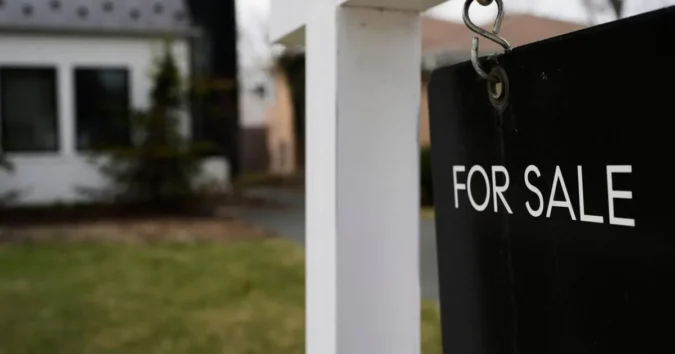
WASHINGTON, DC — Mortgage rates in the United States moved higher again this week, bringing the benchmark 30-year fixed mortgage back near the level it reached four weeks ago. Freddie Mac said Thursday that the average long-term home loan rate rose to 6.66 percent from 6.65 percent last week.
That figure is still below the year’s high of 6.69 percent, which the average reached earlier this month, but it remains above the 6.56 percent level recorded a year ago. Freddie Mac also said the average 15-year fixed mortgage rate increased to 5.98 percent from 5.95 percent last week, compared with 5.69 percent a year ago.
What Freddie Mac Reported
The weekly update from Freddie Mac tracks the rates lenders are quoting on home loans and is widely watched as a snapshot of borrowing costs. The 30-year fixed mortgage is the most closely followed benchmark for buyers, while the 15-year loan is often used by borrowers who are refinancing or shortening their payoff period.
Freddie Mac’s numbers show only a small weekly move, but the direction matters because even modest increases can affect monthly payments and the amount a buyer can borrow. The firm said the 30-year average has now returned to where it was four weeks ago, after briefly moving higher earlier in August. The 15-year average also edged up, continuing the same trend.
Why Borrowing Costs Move
Mortgage rates do not move on their own. They are shaped by inflation, Federal Reserve policy and what bond investors expect from the economy. In practice, they tend to follow the 10-year Treasury yield, which lenders use as a guide when pricing home loans.
This year, both mortgage rates and bond yields have generally climbed. Analysts have pointed to the U.S. war with Iran as one factor pushing up expectations for hotter inflation after crude oil prices surged. Long-term bond yields have also been supported by concerns about the U.S. government’s rising debt. The 10-year Treasury yield stood at 4.66 percent by midday Thursday, up from 3.97 percent in late February before the conflict began.
What It Means Next
For homebuyers, the latest move keeps monthly borrowing costs elevated and can reduce purchasing power at a time when the housing market is already weak. Higher rates can encourage would-be buyers to wait, which is one reason U.S. home sales have remained subdued this year. Freddie Mac’s data also comes after the 30-year rate spent much of 2024 and 2025 well above the pandemic-era lows that helped fuel earlier demand.
The broader housing slump has been in place since 2022, when rates began rising sharply. Sales of previously occupied U.S. homes were essentially flat last year at a 30-year low, and they slowed again in July. Readers can check weekly rate changes in Freddie Mac’s mortgage survey and follow Treasury yields for the bond-market backdrop, but the next turn will depend on inflation, policy and investor expectations.
More on what homes, rents and new builds are doing near you, on RHS Commoner.
